
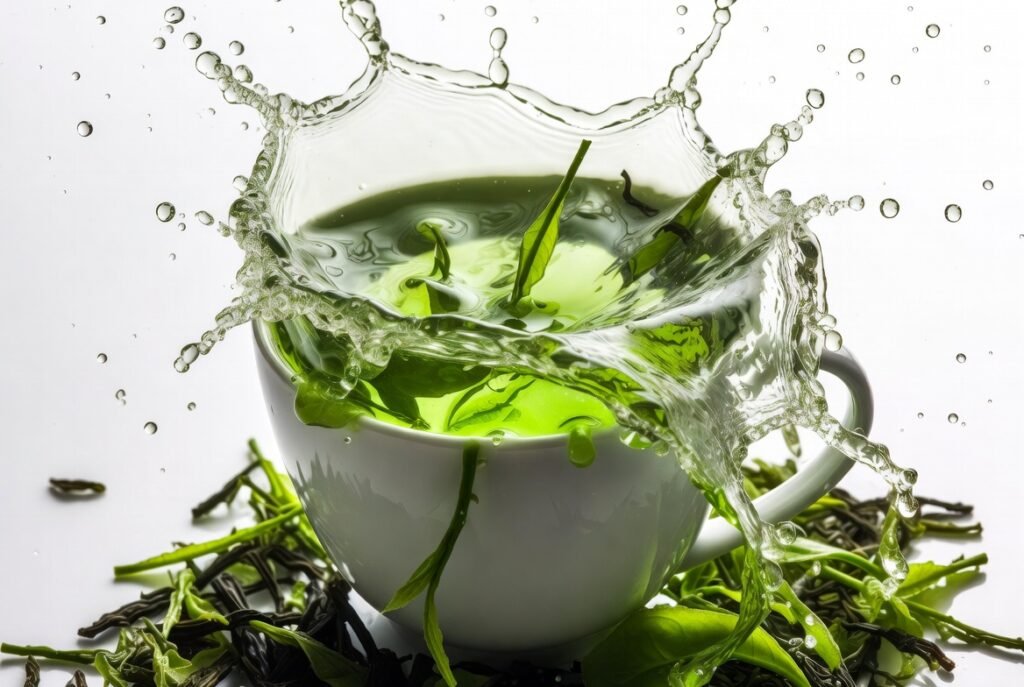
The best tea for weight loss is one of those questions that pops up everywhere—from late-night scrolls to gym chats in Peshawar cafes. Everyone wants something simple, natural, and effective to nudge the scale in the right direction. The truth? No tea is going to replace a solid diet and some movement, but certain ones can give you a gentle, science-backed assist by revving up metabolism a bit, helping burn fat more efficiently, curbing minor cravings, and—most importantly—helping you ditch calorie-heavy drinks like sodas or milky chai.
As of 2026, with fresh reviews and studies rolling in, green tea still holds the top spot as the best tea for weight loss for the average person. It’s not hype; it’s backed by consistent evidence showing modest but real benefits, especially when you drink it regularly. Let’s break it down honestly—what works, what doesn’t, and how to actually use these teas without wasting time or money.
Why Green Tea Usually Wins as the Best Tea for Weight Loss
Green tea comes from the Camellia sinensis plant, but it’s minimally processed (no heavy oxidation), so it keeps high levels of powerful antioxidants called catechins—especially EGCG (epigallocatechin gallate). EGCG teams up with the tea’s natural caffeine to slightly increase your metabolic rate, promote fat oxidation (your body using stored fat for energy), and sometimes target visceral fat around the belly.
Recent looks at the science paint a clear picture:
- Systematic reviews from 2025 show green tea supplementation often reduces body weight and BMI in adults with obesity, particularly when combined with exercise. One analysis found positive effects in most trials, with better results alongside activity.
- Human studies link regular green tea to small drops in total body weight, waist size, and especially abdominal fat. For example, higher intake (like 4+ cups weekly) was tied to lower odds of abdominal obesity in some populations.
- Animal research keeps surprising—obese mice on green tea extracts lost significant body weight (up to notable percentages in controlled settings) and saw better glucose control and insulin sensitivity.
- A 2025 review highlighted green tea catechins supporting weight loss and metabolism in people with obesity, while also noting benefits for heart health and inflammation.
Real-world results are modest: expect 1–3 pounds over a couple of months if you’re consistent, mostly from better fat use during activity and fewer calories overall (since you’re swapping sugary drinks). It’s not dramatic on its own, but it adds up.
Best green tea for weight loss varieties to try:
- Sencha — Classic Japanese green with a fresh, grassy taste and solid EGCG levels. Brands like Rishi Sencha often get dietitian nods for being organic and pure.
- Matcha — Powdered whole-leaf green tea, so you get way more catechins per sip. It’s creamier, more intense, and studies suggest it’s even stronger for metabolism support.
- Gunpowder or Dragonwell — Affordable options with good quality if you’re starting out.
How to drink it right: 2–4 cups daily (about 200–500 mg catechins total). Brew at 70–80°C for 1–3 minutes to avoid bitterness. Skip sugar, heavy milk, or excessive honey—keep calories near zero. Plain or with a slice of lemon works great.
People constantly ask “does green tea help you lose weight” or “can green tea help you lose weight“—yes, modestly and reliably for many, especially belly fat support (green tea belly fat searches are spot on; evidence points to better visceral fat reduction). But results shine brightest with diet and exercise.
Other Top Teas for Weight Loss Worth Considering
If green tea’s grassy flavor isn’t your thing, or you want variety, these have solid research too.
- Oolong Tea — Often a close runner-up, sometimes even pulling ahead in direct comparisons.
Partially oxidized, it mixes catechins with theaflavins for potentially stronger effects on fat metabolism and energy burn (even at rest in some small studies). One comparison showed oolong significantly reducing relative weight more than green in certain models. It has a smoother, roasted taste—perfect if you like something bolder than green but lighter than black. Aim for 2–3 cups daily. - Black Tea — Don’t sleep on it.
Fully oxidized, rich in theaflavins that may help block fat absorption and support gut health. Drinking unsweetened black tea (3+ cups) replaces high-calorie beverages and provides a steady caffeine lift. Some reviews note it prevents fat buildup effectively. - Pu-erh Tea — Gaining traction fast for long-term support.
This fermented tea creates unique polyphenols through aging. Recent 2025–2026 studies show pu-erh extracts reducing body fat, improving lipid profiles, lowering triglycerides, and remodeling gut microbiota to fight obesity. In high-fat diet models, it curbed weight gain, boosted energy expenditure, and protected the gut barrier. Earthy, rich flavor—try 1–3 cups, especially aged raw or ripe varieties.
Herbal backups that help indirectly:
- Ginger tea — Aids digestion, reduces bloating, mildly curbs appetite.
- Peppermint tea — Helps stop mindless snacking.
- Hibiscus tea — Supports better blood sugar and may limit fat storage.
The Truth About Detox Teas and “Best Detox Tea for Weight Loss”
These trendy “detox” or “skinny” teas flood searches, but most rely on senna or other laxatives for quick “losses” that are just water weight. They often lead to rebound bloating, dehydration, or dependency—not sustainable fat loss. Real experts warn against them. Stick to plain, evidence-based teas above.
Practical Tips to Get Real Results with Tea and Diet
- Consistency beats perfection — Drink 3–5 cups spread out daily.
- Calorie swap is king — Replacing lattes, sodas, or sweet chai with unsweetened tea can cut 200–500 calories effortlessly.
- Pair it smart — Add protein-rich meals, veggies, and walks or workouts. Tea amplifies exercise effects.
- Watch caffeine — If sensitive, go decaf green or herbal after noon.
- Safety first — High doses (especially extracts) can cause stomach upset or interact with meds. Chat with a doctor if you have thyroid issues, liver concerns, or take blood thinners.
- Track progress — Weigh weekly, measure waist, note energy levels—not daily fluctuations.
In the end, the best teas for weight loss are ones you’ll stick with long-term. Green tea (or matcha for a boost) usually delivers the most reliable edge for metabolism, fat burning, and belly fat support based on current evidence. Oolong or pu-erh can be fantastic alternatives if you crave different flavors or extra gut benefits.
Start simple: grab quality loose-leaf or bags, brew fresh, and enjoy the ritual. Small daily habits compound. Which tea are you leaning toward trying first? If you’re in Pakistan, local green or black options are easy to find—let me know if you want brewing tweaks for harder water or masala-style twists without the calories! 🍵